

Steady policy can blunt economic shock of Iran conflict
Steady policy can blunt economic shock of Iran conflict
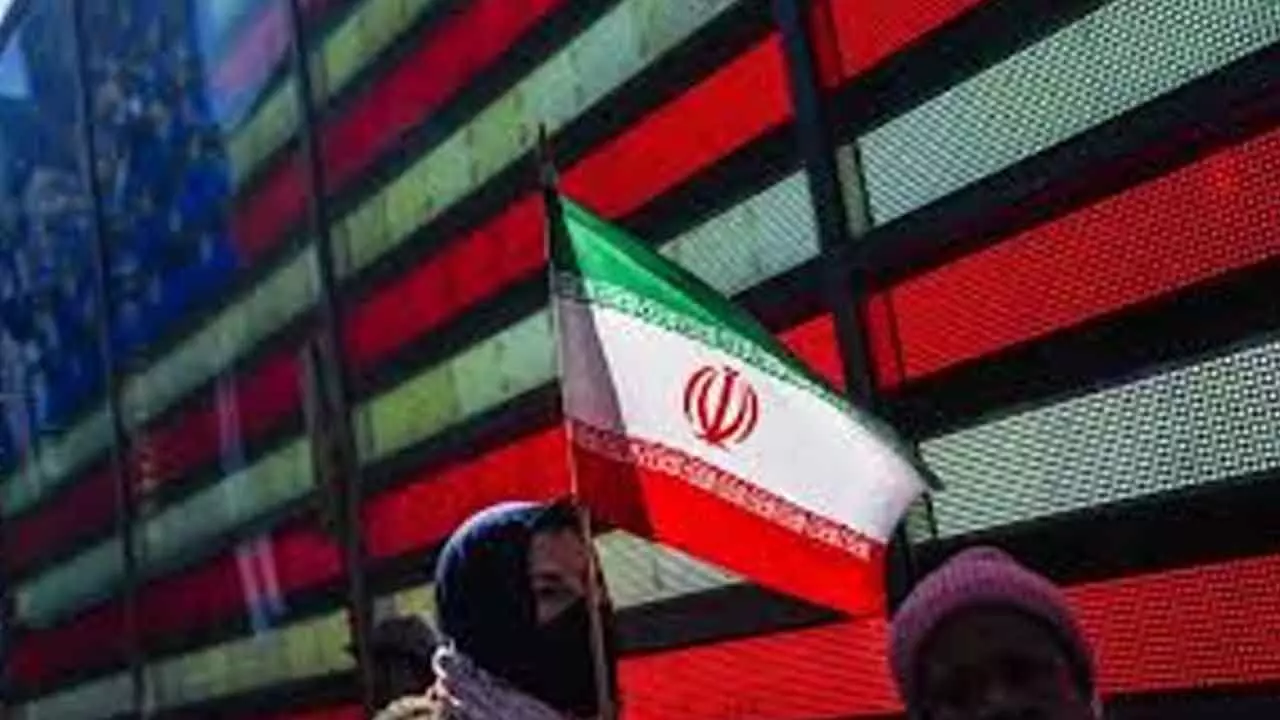
That the war in the Middle East has brought turmoil to the global economy, business and finance is a truism. There is hardly any sector that has not been directly or indirectly affected by the ongoing conflict. On Wednesday, the benchmark Sensex slid more than 2 per cent soon after opening, mirroring declines across global stock markets.
Oil prices have surged and are expected to rise further. As Israeli and US forces pound targets across Iran, energy infrastructure in a region that produces nearly a third of the world’s oil faces the risk of Iranian retaliation. Compounding the situation, Iraq, the second-largest producer in the Organization of the Petroleum Exporting Countries (OPEC), has slashed output by almost 1.5 million barrels a day.
This is bound to have a cascading effect across economies worldwide. For India, the impact is particularly severe, as the country imports over 80 per cent of its crude oil requirements. Prolonged disruption in supplies or elevated prices could worsen inflationary pressures and strain public finances.
It is evident that neither US President Donald Trump nor Israeli Prime Minister Benjamin Netanyahu is inclined to settle for anything less than regime change in Tehran. On the other side, Iran’s hardline Islamist leadership appears equally unwilling to yield. Unfazed by the reported killing of Supreme Leader Ayatollah Ali Khamenei and much of the country’s military and Revolutionary Guards leadership, the regime has reportedly moved to install his son, Mojtaba Khamenei, as successor.
With Iran unlikely to receive meaningful support from its key ally Russia, preoccupied as it is with the war in Ukraine, the eventual outcome of the conflict appears increasingly predictable. Given the asymmetry between US-Israeli military power and Iran’s capabilities, it seems less a question of if and more of when Tehran will fall.
The Narendra Modi government has chosen its position with clarity. The Prime Minister’s visit to Israel and New Delhi’s condemnation of Iranian strikes in Arab nations underscore this stance. The immediate task before policymakers is to ensure that turmoil in the Gulf does not trigger panic in capital markets or spill over into the broader economy.
Fiscal policy may require recalibration. Should oil prices remain elevated for an extended period, the government may need to reconsider excise duties on fuel to cushion consumers. Though this would entail a revenue sacrifice, it could help prevent a wider inflation spiral. Strategic petroleum reserves must also be managed prudently, with releases undertaken if needed to smooth short-term disruptions.
Institutional investors, both domestic and foreign, will need reassurance that India’s macroeconomic fundamentals remain strong. The country’s sizeable foreign exchange reserves, resilient banking system and relatively robust growth trajectory provide important buffers. Clear and transparent communication from the Finance Ministry and market regulators can help curb herd behaviour and panic selling.
The Reserve Bank of India, too, has a critical role to play. It must closely monitor currency volatility and stand ready to intervene to prevent disorderly movements in the rupee. At the same time, interest rates will have to be calibrated carefully to balance inflationary pressures from higher oil prices against the need to sustain economic momentum.
Diversification remains another key pillar of resilience. India has already broadened its energy sourcing by purchasing discounted crude from Russia and exploring new suppliers in Africa and Latin America.
Handled deftly, the present crisis need not have as devastating an impact as many fear. Sound policy choices and steady communication can help India navigate the turbulence and emerge with its economic fundamentals intact.





